Ask anyone who watches for the northern lights from Britain what usually defeats them, and the answer is rarely the Sun. It is cloud. Our islands sit well south of the auroral oval, and even a decent geomagnetic storm has to fight through whatever the Atlantic is doing overhead. That said, the calendar matters far more than most people realise. Some months hand you long, genuinely dark nights plus a better chance of a disturbance in the first place. Others are close to hopeless. Here is how the year actually breaks down.
The Three Things That Have to Line Up
An aurora display from the UK needs three conditions at once, and missing any one of them means you see nothing at all.
- Geomagnetic activity. The auroral oval has to expand far enough south to reach your latitude.
- Real darkness. Twilight washes out all but the brightest storms.
- Clear sky and an open northern horizon. Trees, hills, streetlights and cloud all do the same job as a curtain.
Broadly speaking, the further south you live, the higher the Kp index needs to climb before anything becomes visible. Northern Scotland can show a glow on a moderate storm; southern England generally needs a severe one. Those thresholds do not change with the season, but your odds of reaching them do.
The Equinox Advantage: March, April, September and October
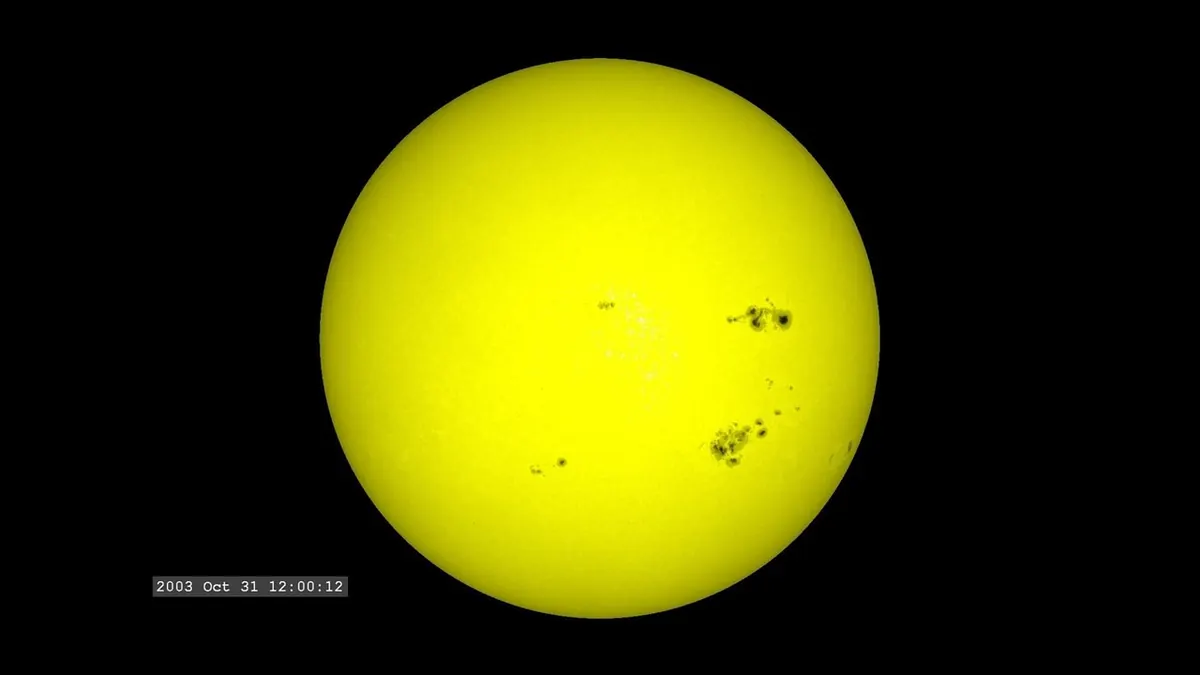
Geomagnetic activity is not spread evenly through the year. It clusters around the equinoxes, in spring and autumn, for reasons to do with the angle at which the Sun's magnetic field meets Earth's. This seasonal peak is known as the Russell–McPherron effect. In practice it means a storm that would be a rare event in June is considerably more ordinary in late March or late September.
Spring: March to mid-April
March is arguably the best single month in the UK calendar. The equinox falls around the twentieth, nights are still long enough for proper darkness, and the weather pattern often shifts to cold, clear high pressure with crisp air and good transparency. A clear, frosty March night following a coronal hole stream is about as good as it gets this far south.
Autumn: September to late October
September gives a second equinox peak, and darkness arrives quickly. By the end of the month there is full astronomical night even in Shetland. The trade-off is the Atlantic: September can still be mild and cloudy, and October brings the first proper autumn gales. Even so, autumn high pressure is common, and it tends to bring the calm, clear nights aurora hunters want.
Winter: Long Nights, Heavy Cloud
December and January offer more darkness than any other months: proper night from early evening until well past dawn, and in northern Scotland the nights are very long indeed. What they do not offer reliably is clear sky. This is the cloudiest stretch of the UK year in most regions, with fast-moving fronts sweeping in one after another.
Winter storms do happen, though, and a clear, cold, high-pressure night in December after a fast solar wind stream arrives can be spectacular. February is quietly underrated: still dark, and often the clearest and coldest weather of the whole winter.
Summer: The Months to Write Off
From roughly mid-May to late July, the UK does not get properly dark. Around the solstice, Shetland never falls below civil twilight, and even southern England misses full astronomical darkness. Aurora does occur in summer, and people occasionally spot a faint arc in the twilight, but you are fighting a losing battle.
Darkness returns from the south upwards. Southern counties recover by late July, while northern Scotland waits until the second half of August. That asymmetry is worth remembering if you are planning a trip north.
A Month-by-Month Shortlist
- January: Maximum darkness, maximum cloud. Watch for a clear cold snap.
- February: Underrated. Often the clearest nights of the winter.
- March: The best all-round month: equinox activity, long nights, sharp air.
- April: Still strong in the first half; darkness fades late in the month.
- May: Twilight from mid-month. Only bright displays are worth chasing.
- June: Effectively out of season. Plan something else.
- July: Similar story, though late July brings hints of darkness back.
- August: Hope returns, first in the south, then northern Scotland.
- September: The most underrated month: equinox plus fast-darkening nights.
- October: Good, but the equinox effect fades and Atlantic weather ramps up.
- November: Plenty of darkness. Watch for coronal hole streams recurring roughly every 27 days.
- December: Long nights, little clarity. Take a chance on a clear, cold spell.
Planning the Night Itself
- Check activity in the morning. A geomagnetic forecast gives you a rough idea of the days ahead. Solar wind data matters more in the moment: if the magnetic field turns strongly southward, activity can follow within tens of minutes.
- Check cloud for your exact spot. Regional forecasts are too coarse. Coastal fringes and inland valleys behave very differently, so look at a cloud cover map and be willing to drive.
- Choose a dark site with a clear northern horizon. Galloway Forest Park, Kielder and the Northumberland coast, Exmoor, Snowdonia and the north Antrim coast all work well. Avoid the week around full moon if you are chasing faint glows.
- Let your eyes adapt. Twenty to thirty minutes with no white light makes an enormous difference. Use red torches or a dimmed screen.
- Set up a camera if you have one. Tripod, manual mode, widest aperture, ISO 1600 to 3200, exposures of roughly five to fifteen seconds. Focus manually on a bright star.
- Stay out longer than feels sensible. Auroral substorms arrive in bursts. A quiet green smudge can brighten into visible rays within minutes.
The Realistic Picture
If you get one serious attempt at the northern lights this year, aim for the second half of March or the second half of September, and head as far north as you reasonably can. Check the cloud forecast before the aurora forecast, because a strong storm behind thick cloud gives you nothing. Then accept that most nights will not deliver, dress warmer than you think you need to, and enjoy the fact that you are standing under a genuinely dark sky. That part is guaranteed.
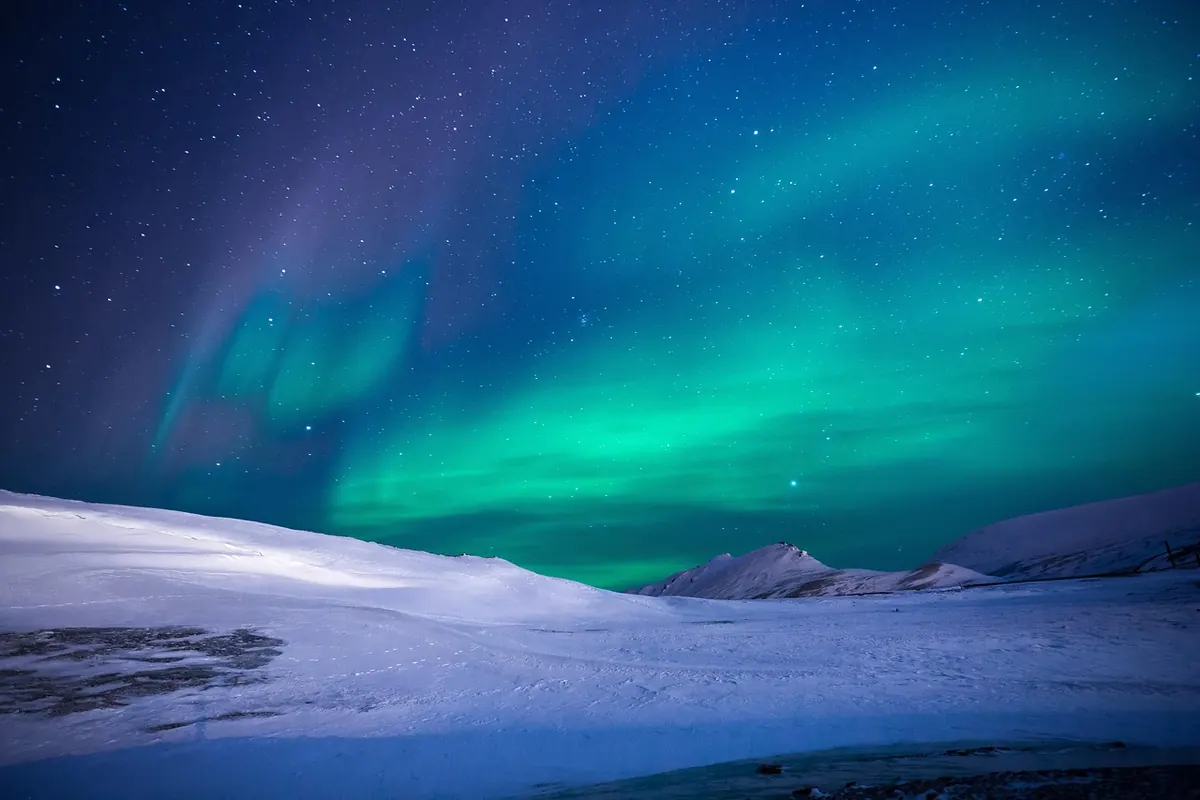
Photo: Noel_Bauza / Pixabay