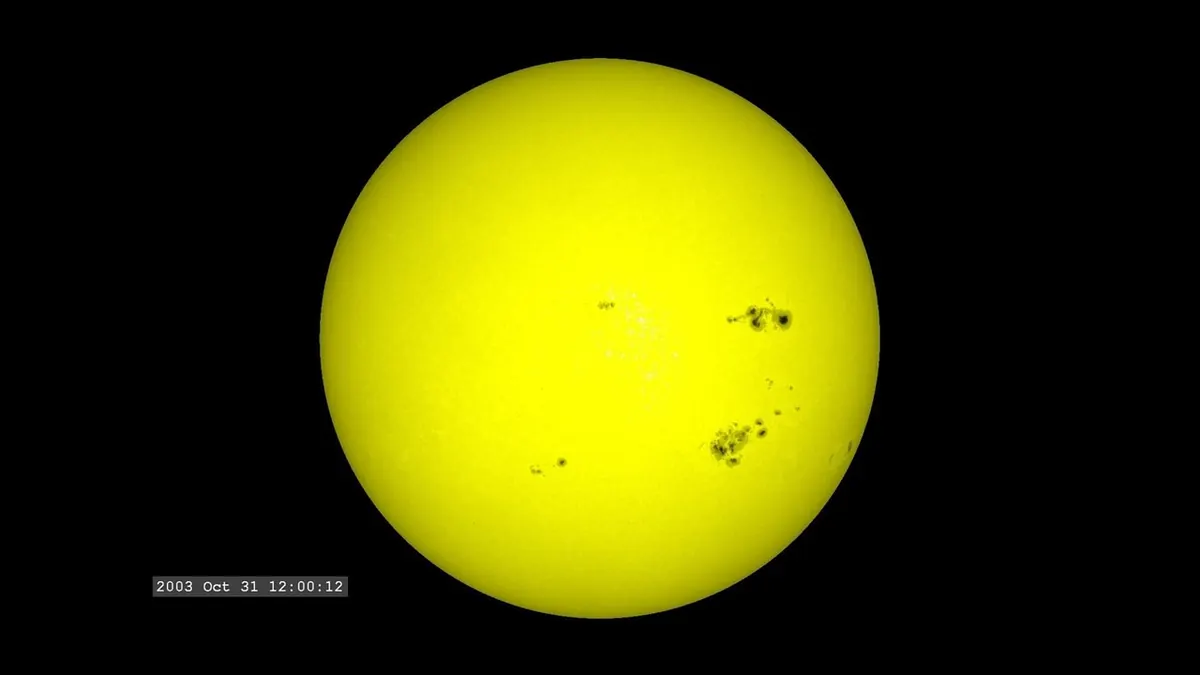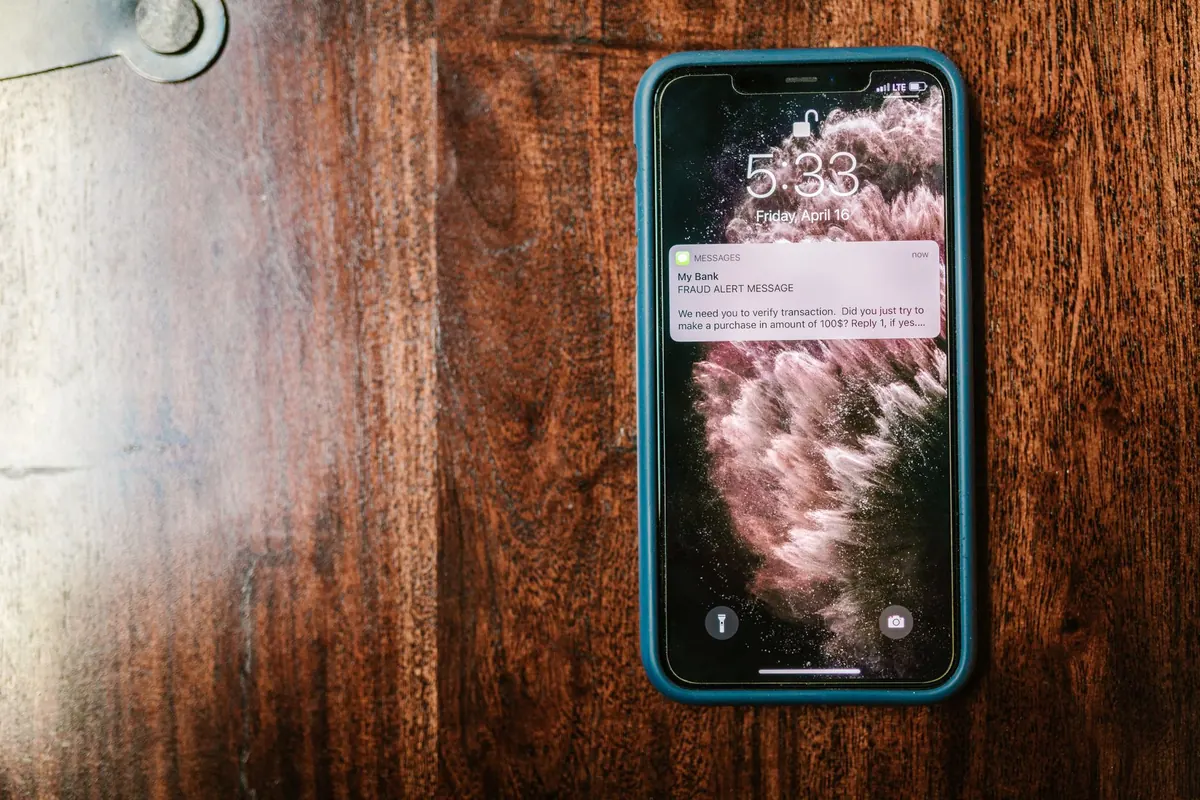
A coronal hole opens in the Sun's atmosphere, and three days later the Kp index climbs past six. Nothing dramatic happens in your kitchen. But on 40 metres the noise floor rises, signals from North America flutter and fade, and the blue dot on your phone starts drifting to the wrong side of the road. Geomagnetic storms are rarely catastrophic, but they are disruptive in ways that catch people out, because the effects look nothing like ordinary bad propagation. An hour of preparation turns a frustrating weekend into an interesting one.
Know what is coming, and what it actually means
Space weather forecasting is not weather forecasting. The Sun gives us a warning, but the arrival time of a coronal mass ejection is typically accurate to within several hours rather than minutes, and the strength can change on the way in. Check the NOAA Space Weather Prediction Center, the British Geological Survey's geomagnetic data and a reliable solar news site once a day when the Sun is active. Three scales matter to you:
- R (radio blackout) — from solar flares. The sunlit side of the Earth loses HF for minutes to hours, with the lowest bands hit hardest. It passes.
- S (solar radiation storm) — degrades polar paths and satellite systems. Expect 20 metres to be a wasteland on a north–south route.
- G (geomagnetic storm) — the one that gives you aurora, spread F, flutter, and GPS wobble. G1 is minor; G5 is extreme and rare.
Location matters more than most operators realise. The UK sits at a high geomagnetic latitude compared with its geographic one, so Scotland and Northern Ireland feel a moderate storm far more than Cornwall does. If you are in Aberdeen, a Kp of 5 is worth taking seriously. In Devon, you can mostly ignore anything below Kp 7.
Before the storm: shack preparation
Most of the damage risk to amateur equipment comes from induced currents on long conductors — antennas, feedlines, and anything else strung out over distance. Mains surges are a secondary concern, but worth covering.
Antennas and feedlines
Have a routine you can complete in two minutes. Disconnect coax at the radio end and pull the plugs clear of the rig; do not leave them lying across the operating desk where an induced pulse can arc. If your antennas are permanently outside and cannot be lowered, fit a good quality coaxial surge suppressor at the point where the feeder enters the building, and bond it properly to a dedicated station earth. Mains electrical work, including earthing and bonding arrangements, is a job for a qualified electrician — a poor earth is worse than none at all.
Power and backups
Keep a charged 12 V battery or power bank that can run the transceiver independently of the mains. A radio that works on 12 V, a fused lead and a charged battery give you a station that keeps going through a local outage. Label your fuses so you are not hunting for one in the dark.
Time and data
Weak-signal digital modes need accurate time. If your only clock source is GPS, you have a single point of failure. Set up internet time synchronisation as a fallback, and know how to set your computer clock manually from a phone or from a radio time signal such as MSF on 60 kHz.
Operating through a geomagnetic storm
Do not expect the bands to close completely. Expect them to change, often within minutes.
- Drop to lower frequencies when high bands collapse. During a flare blackout, 80 and 40 metres may still work on paths that avoid the sunlit polar region. Patience beats power.
- Expect flutter and rapid fading on high-latitude paths. Slow down your CW, and avoid long overs in SSB — repeat your callsign more often than usual.
- Try VHF auroral propagation. During a decent storm, 6 metres and 2 metres can open to stations several hundred kilometres away off the auroral curtain. Point your beam north and use CW or SSB, which survive the distortion better than FM.
- Watch for short-lived openings as the storm subsides. The recovery phase is often the best part.
- Do not confuse a storm with a dead band. Check beacons and the reverse beacon network before deciding the ionosphere has given up.
GPS, timing and navigation
Ionospheric disturbances cause two things: position errors and timing errors. Position errors are usually the smaller problem for a driver, but if you rely on GPS for precise work — surveying, drone flying, or any kind of accurate geolocation — build in a check. Compare the fix against a known landmark, and treat a sudden jump in indicated position as a warning rather than a glitch.
For radio amateurs, timing is the real issue. FT8 and similar modes need clocks within a second or so of UTC. If your GPS-disciplined oscillator loses lock, your decodes stop even though the band is open. Keep a manual path: check your clock against a reliable internet source before a session, and know how to nudge it by hand if the network is down.
For everyday navigation, the practical answer is dull and effective. Carry a paper map and a compass on long journeys, and know roughly where you are before you start trusting a screen. Systems that combine GPS with other inputs, such as inertial or ground-based augmentation, degrade more gracefully than a bare receiver, but none of them are immune.
Power, mains and equipment
Geomagnetic induced currents are a genuine engineering problem for long transmission lines and transformers, and grid operators plan for them. The UK network is generally robust, but local outages happen for ordinary reasons too. Your sensible precautions are simple: keep essential equipment on surge protection, avoid plugging sensitive gear into a socket you cannot switch off at the wall, and unplug aerials and phone lines when a severe storm is forecast. Surge protectors will not stop a slow, low-frequency induced current — they are there for spikes. Do not mistake one for the other.
A first-hour drill
When an alert lands, work through this in order.
- Check the Kp forecast and the flare history. Decide whether it is worth staying at the radio.
- Disconnect and stow antenna feeders if the storm is severe and you are not operating.
- Confirm your clock source and set a fallback.
- Charge batteries and any power banks you rely on.
- Write down your emergency contact frequencies and a couple of local simplex channels, on paper.
- Log what you hear. Storm effects are genuinely interesting to record, and a written log beats memory.
Keep it proportionate
The overwhelming majority of geomagnetic activity passes with nothing more than odd propagation and a colourful aurora. Treat the checklist above as a drill you run a few times a year rather than a permanent state of alert. When a big storm does arrive, you will already know where your fuses are, how to set your clock without GPS, and which band to try first — and you can enjoy the spectacle instead of chasing the problem.
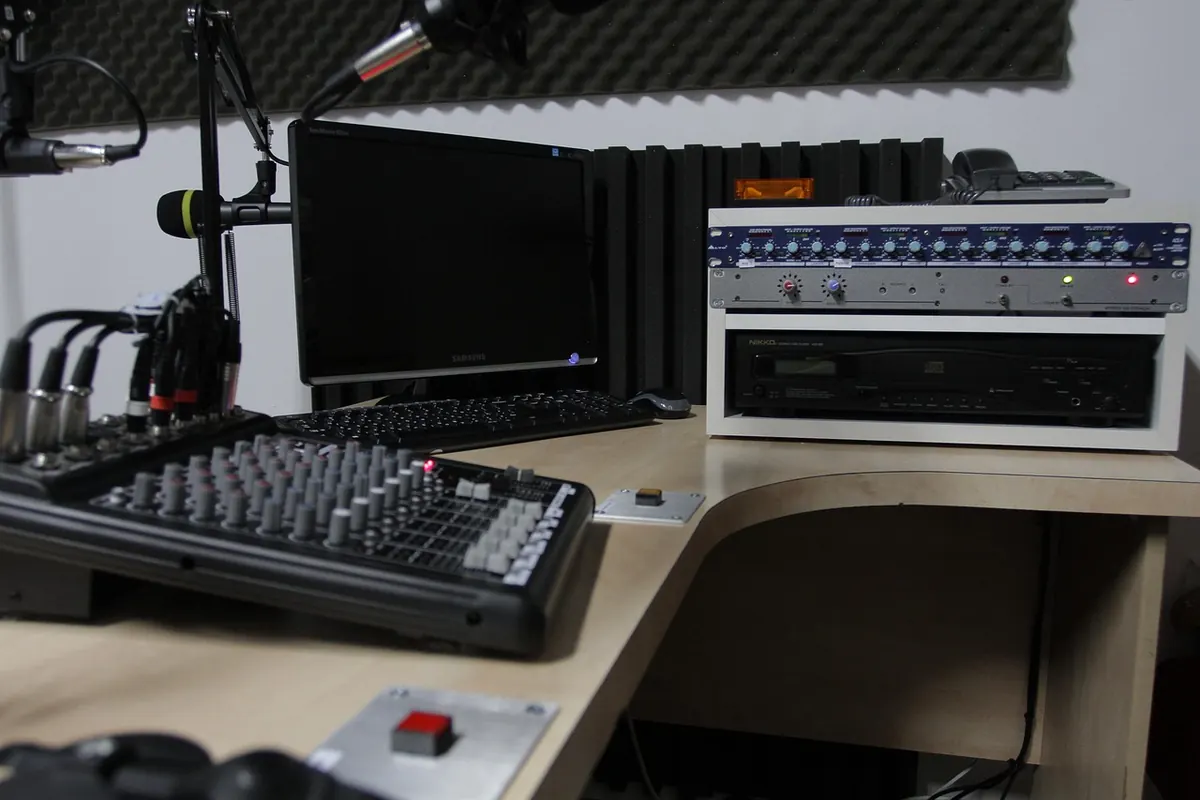
Photo: Joe007 / Pixabay