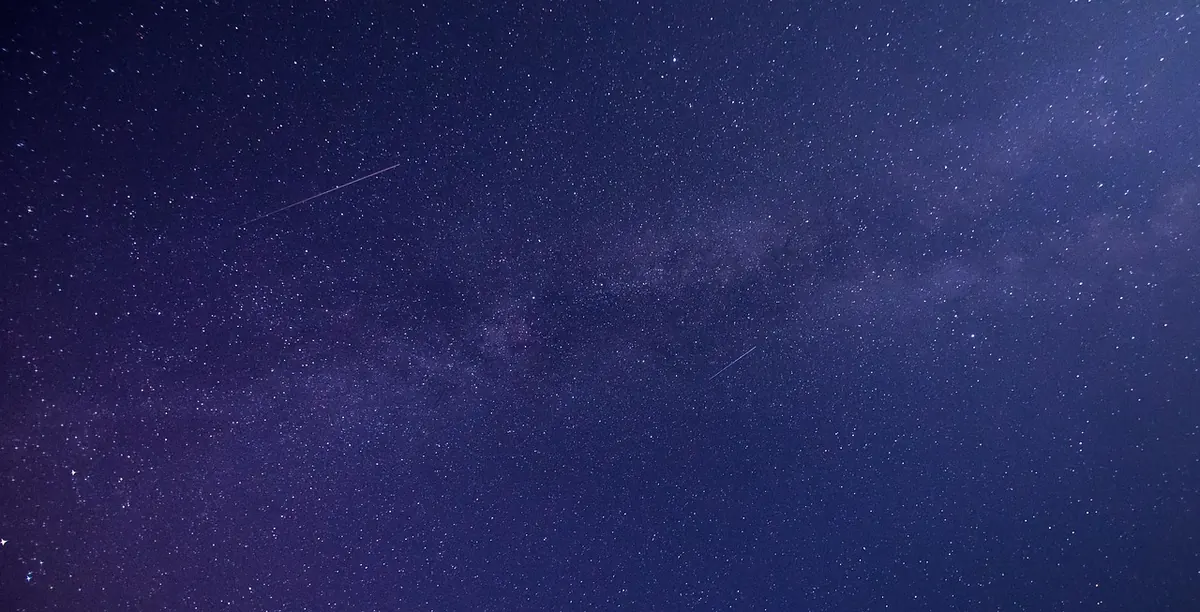
Aurora watching in the UK is mostly a game of elimination. The sun does something interesting, the forecast brightens, and then cloud, moonlight, a badly placed streetlamp or a flat camera battery quietly ends the night before it starts. The displays that end up on social media are almost always the ones where somebody did the boring checks first. Work through this list before you leave the house and you will waste far fewer cold hours standing in a field.
1. Read the forecast properly, not just the headline number
The Kp index is a planetary measure, and it is a blunt tool for anyone north of the Channel. What actually decides whether you see anything is how far south the auroral oval has been pushed. As a rough guide, Kp 5 gives Scotland and the far north of England a fighting chance, Kp 6 to 7 stretches that down through northern England, Wales and the Midlands, and Kp 8 or 9 is when southern England occasionally joins in. Those southern events are rare, and they are usually brief.
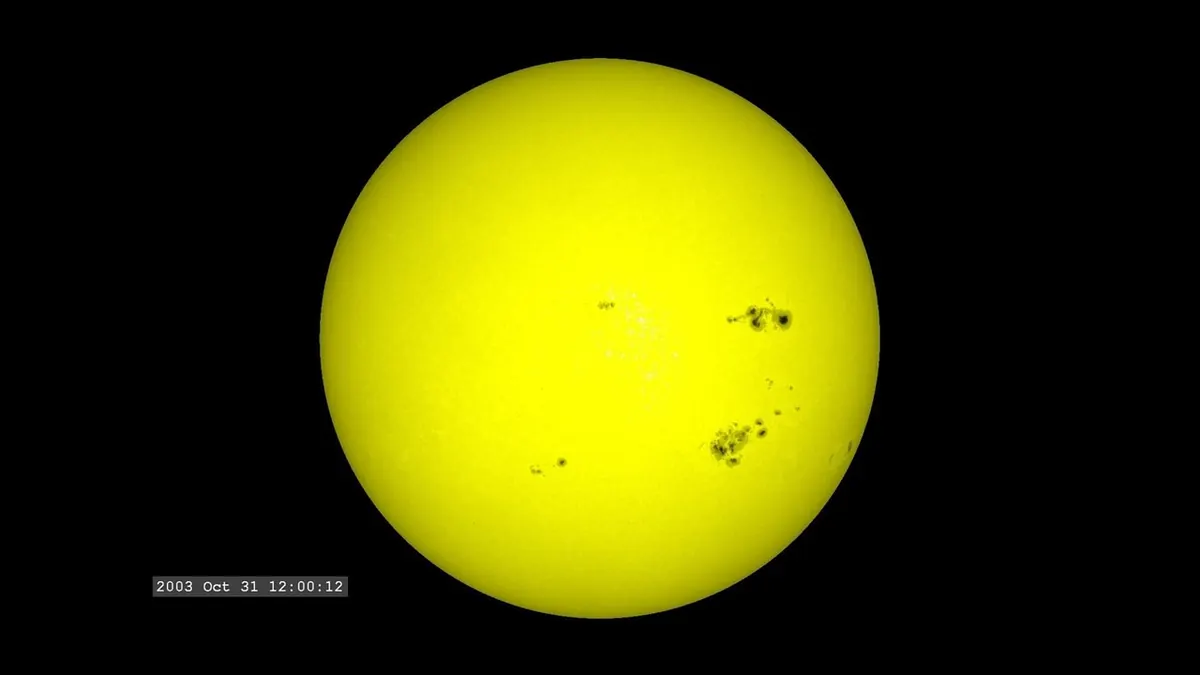
Watch the solar wind, not only the index
The number that turns a promising forecast into a glow on the horizon is Bz, the north–south component of the interplanetary magnetic field. When it swings southward, energy pours into the magnetosphere; when it turns north again, the show often fades within minutes. Solar wind speed matters too. Check a live feed rather than a screenshot from three hours ago, and accept that conditions can change faster than you can drive to a dark site. Between the Met Office space weather pages, the American SWPC forecasts and the alerts from AuroraWatch UK, you have enough to make a judgement call.
2. Get the cloud forecast right, and check it twice
Cloud is the single most common reason a good aurora forecast produces nothing at all. Check cloud cover for the exact spot you intend to visit, not for the nearest city, and then look at a satellite loop to see which way the gaps are moving.
A clear northern horizon beats a clear sky
Aurora sits low. From most of the UK you are looking for something between roughly ten and thirty degrees above the northern horizon, which is not far above the rooftops. If a solid bank of cloud is parked over the north, a crisp clear zenith is little use to you. Find a site with an unobstructed view north — a beach, a hilltop, the edge of a flat field — and treat that as your minimum standard.
Look again an hour before you go
Forecasts sharpen as the night approaches. A run that looked hopeless at teatime sometimes clears by nine, and the reverse happens just as often. Check once more before you put your boots on.
3. Sort out darkness: moon, towns and your own eyes
Two kinds of light will ruin your night. The first is the moon. Check the phase and the rise and set times for your location; a bright moon close to full will wash out all but a strong display, so plan around it if you can.
The second is us. Streetlights, security lights and the glow of a town ten miles away all lift the background sky. The UK's dark sky parks and reserves — Galloway, Northumberland, Exmoor, the Brecon Beacons, Snowdonia, the Cairngorms — exist for good reason, but you do not need a designation to find somewhere useful. A quiet lane twenty minutes outside town is often enough.
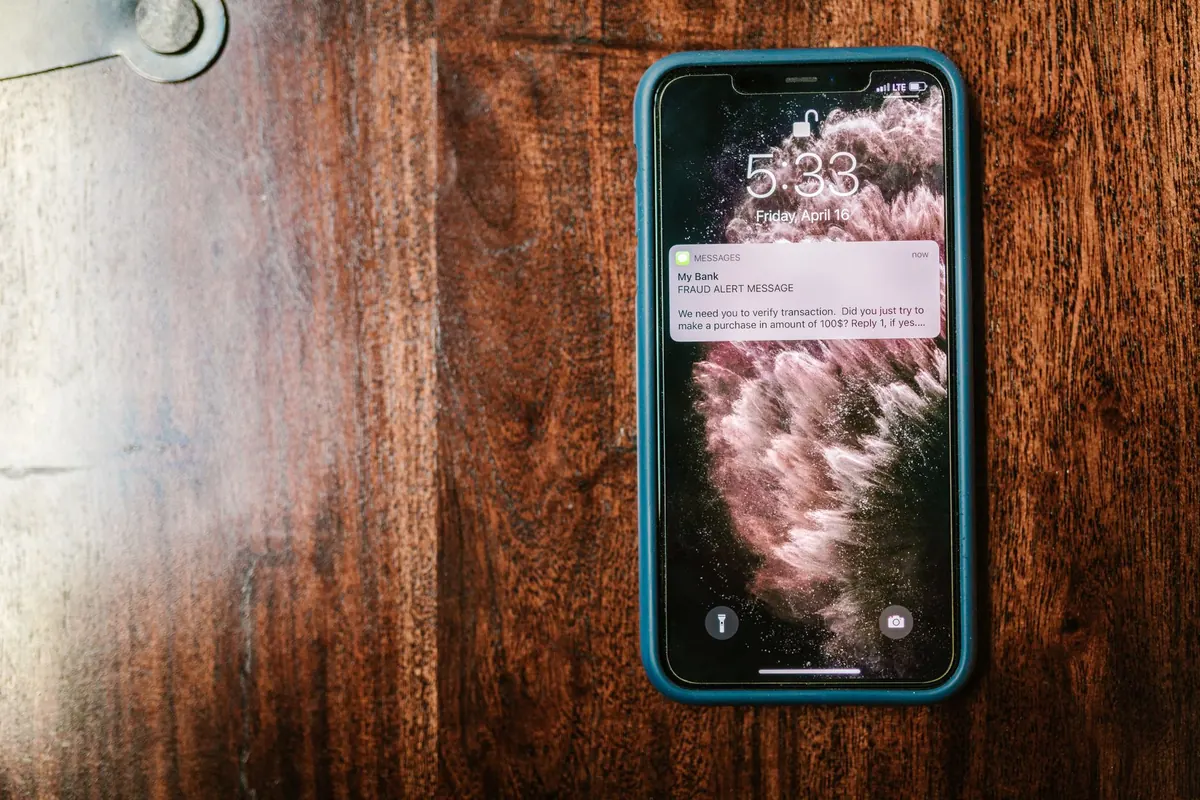
Your eyes need roughly twenty to thirty minutes to adapt, and one glance at a phone screen resets much of that. Use a red torch, turn your screen brightness right down, and resist the urge to check the aurora apps every ninety seconds. Set an alert instead.
4. Pack the kit that actually gets used
- Camera and tripod. Manual mode, a wide lens, manual focus set to infinity, and a shutter of somewhere between five and fifteen seconds as a starting point. Higher ISO will show more, at the cost of noise.
- Spare batteries. Cold drains them quickly, and a power bank for your phone is worth the weight.
- Warm layers, hat, gloves and boots. You will be standing still for an hour or more, which is very different from walking in the same temperature.
- A flask and something to sit on. A folding chair makes a long wait far more bearable.
- A red headtorch and an offline map. Signal is patchy in exactly the places worth visiting.
5. Choose a spot you can reach and leave safely
The best view in the world is no good if getting there means standing on a cliff edge in the dark. Avoid exposed coastal paths, reservoir edges and anywhere with ice, mud or a steep drop between you and the car. If you are heading to the coast, check the tide times.
Park considerately: not in gateways, not blocking farm access, not on verges that will be soft by morning. Tell someone where you are going and when you expect to be back, and share your location before you lose signal. Take your litter home.
6. Know what you are looking for
Set your expectations honestly. To the naked eye, most UK aurora is a pale grey-green arc or a diffuse glow that looks suspiciously like light pollution. Colour is often there but faint, and cameras pull it out far more readily than your eyes do. If you are unsure whether that band of brightness is the real thing, take a photograph. A few seconds of exposure will settle the argument.
Activity comes in surges, so a quiet half hour means very little. Give a session at least an hour, and keep looking north while you chat. Local midnight and the hours either side are a sensible target.
7. The twelve-point check before you leave
- Kp forecast checked against your latitude.
- Bz and solar wind speed looked at within the last hour.
- Aurora alerts switched on.
- Cloud forecast clear to the north.
- Satellite loop checked for moving gaps.
- Moon phase and rise time known.
- Dark site chosen, away from streetlights.
- North-facing view and low horizon confirmed.
- Camera, tripod and spare batteries packed.
- Red torch, warm layers and flask in the bag.
- Someone knows your plan and your route home.
- Expectation set: a grey-green glow counts as a result.
Tick all twelve and you have done everything within your control. Tick half and you should still go — the forecast is only ever a guess, and the nights people remember are usually the ones that looked marginal an hour before they left. Wrap up, drive carefully, and give it time.
Photo: Pexels / Pixabay